

Introduction to Flanges
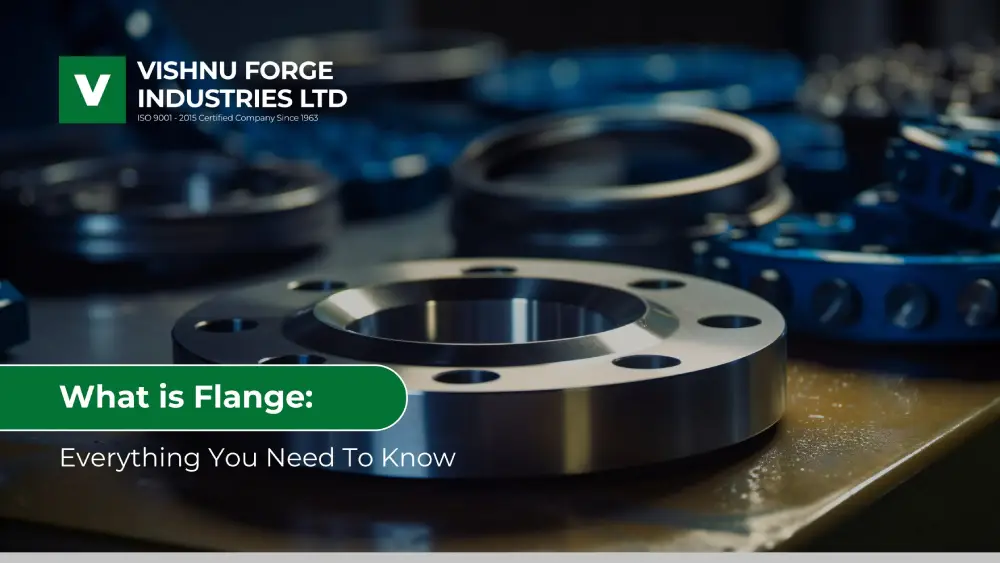
In the world of piping and mechanical systems, flanges are fundamental components, crucial for connecting pipes, valves, pumps, and other equipment to form an efficient system. A flange is a disc-like device, typically round, with bolts around its perimeter. It allows two sections to be securely fastened while permitting easy access for cleaning, inspection, or modification of the system. Widely used across industries, industrial flanges ensure system integrity, making them an indispensable part of various applications.
Understanding Flange Design and Structure
Key Components of a Flange
The structure of a flange comprises essential elements, including the hub, face, and bolt holes. Each element serves a distinct purpose; the face is where the sealing occurs, while bolt holes ensure a firm connection. The hub reinforces strength and durability by transferring stress, ensuring the flange can withstand high pressure. These parts work cohesively, creating a component that can endure the rigors of industrial operations.
How Flange Design Impacts Performance
Flange design significantly impacts its effectiveness. Elements such as thickness, diameter, and face type can alter the flange’s performance under specific conditions. High-quality are engineered to distribute stress and pressure, which is vital for maintaining seal integrity. Selecting the correct design ensures reliability, especially in high-stress applications where even minor leaks can result in system failures.
Types of Flanges and Their Applications
Welding Neck, Slip-On, and Threaded Flanges
Flanges come in various types, each suited to different applications. Welding Neck are ideal for high-pressure situations due to their beveled neck, which aligns with the pipe for seamless flow. Slip-On Flanges, which slide over the pipe, are more economical and suitable for low-pressure systems. Threaded Flanges connect without welding, making them ideal for situations that require easy disassembly.
Uses of Each Type in Industry-Specific Applications
The application of each flange type varies by industry. Welding neck are frequently used in high-pressure pipelines, such as those in the oil and gas industry. Slip-on flanges are common in low-pressure environments, like HVAC systems, while threaded flanges are popular in smaller pipelines where ease of maintenance is prioritized.
Flange Materials: Choosing the Right Material
Common Materials: Carbon Steel, Stainless Steel, Alloy Steel
Choosing the right flange materials is critical to flange performance. Carbon Steel offer durability and affordability, making them ideal for general applications. Stainless Steel is preferred for its corrosion resistance, especially in chemical and marine environments. Alloy Steel provides enhanced strength and heat resistance, making it suitable for extreme temperatures.
Factors to Consider When Selecting a Flange Material
Selecting the proper flange materials depends on factors like temperature, pressure, and corrosion exposure. For instance, high-temperature environments might demand alloy steel, while corrosive environments necessitate stainless steel. Considering these factors ensures that the flange will maintain structural integrity and longevity within the specific application.
Flange Pressure Ratings and Standards
Overview of Pressure Classes (Class 150, 300, etc.)
Flanges are rated by pressure classes, which indicate their ability to withstand different levels of pressure. Common classes include Class 150, 300, 600, and so on. A higher class indicates a greater pressure-handling capacity, which is essential in systems with varying pressure demands.
Standardization in Flange Manufacturing (ASME, ANSI, DIN)
Industry standards such as ASME, ANSI, and DIN govern the design, dimensions, and pressure ratings of flanges. These standards ensure uniformity, making it easier for industries to source and install flanges that fit their systems. Adherence to standards also guarantees quality, allowing for seamless integration into existing setups.
Flange Face Types and Their Functions
Raised Face, Flat Face, and Ring-Type Joint
Flange faces are designed to meet specific sealing requirements. Raised Face (RF) flanges are common in industrial applications and provide a more effective seal. Flat Face (FF) flanges are used in low-pressure environments, while Ring-Type Joint (RTJ) flanges offer high-pressure, leak-proof seals, suitable for oil and gas applications.
How Different Faces Affect Sealing and Performance
The choice of face type affects sealing capabilities and overall performance. Raised faces, for example, compress the gasket, creating a tight seal, while RTJ faces use metal rings to prevent leaks in high-pressure systems. Selecting the right face type is essential to maintain an efficient and leak-proof system.
Flange Bolting and Gasket Selection
Role of Bolts and Gaskets in Flange Connections
Bolts and gaskets are integral to creating a secure flange connection. Bolts ensure that the flange pieces stay connected, while gaskets provide a leak-proof seal between flange faces. The combination of robust bolting and high-quality gaskets is essential to prevent leaks, especially in high-pressure systems.
Choosing the Right Bolting and Gasket Material for Durability
The materials for bolts and gaskets must match the application’s requirements. In high-pressure environments, stronger materials such as alloy steel bolts and metal gaskets provide durability. In contrast, rubber or composite gaskets may be appropriate for lower pressures. The correct combination of bolts and gaskets ensures reliable connections that withstand the system’s demands.
Common Applications of Flanges in Industries
Flanges in Oil and Gas, Chemical, and Power Generation
Flanges are critical in industries such as oil and gas, where they connect pipelines that transport volatile substances under high pressure. In the chemical industry, flanges enable easy assembly and disassembly for system maintenance. In power generation, high-strength flanges are essential in handling the high pressures and temperatures within turbine systems.
Other Industries Where Flanges Play a Key Role
Beyond oil, gas, and power, flanges are widely used in the food and beverage industry for hygienic connections, in pharmaceuticals for sterile environments, and in HVAC systems to facilitate repairs. The versatility of flanges allows them to be adapted to nearly any industry requiring reliable pipe connections.
Flange Maintenance and Safety
Regular Inspection and Maintenance Practices
Routine inspection is vital for flange maintenance. Inspections identify wear, corrosion, and other issues that could compromise the connection. Regular maintenance, including bolt tightening and gasket replacement, ensures that the flange remains in optimal condition, reducing the risk of leaks and prolonging the system’s lifespan.
Ensuring Safety in Flange Usage and Installation
Safety is paramount in flange installation and use. Proper alignment, correct torque application on bolts, and appropriate gasket seating are crucial steps that prevent leaks and failures. Strict adherence to safety protocols ensures that flanges operate safely and efficiently within high-pressure environments.
Conclusion
Flanges are more than just connectors; they are vital components that uphold the integrity of piping systems across industries. From material selection and design to bolting and maintenance, every aspect of a flange’s construction and usage plays a role in its effectiveness. Understanding flanges and their applications ensures that systems remain safe, efficient, and leak-free. By choosing the right flange for each unique requirement, industries can build reliable systems that stand up to the demands of modern engineering.